
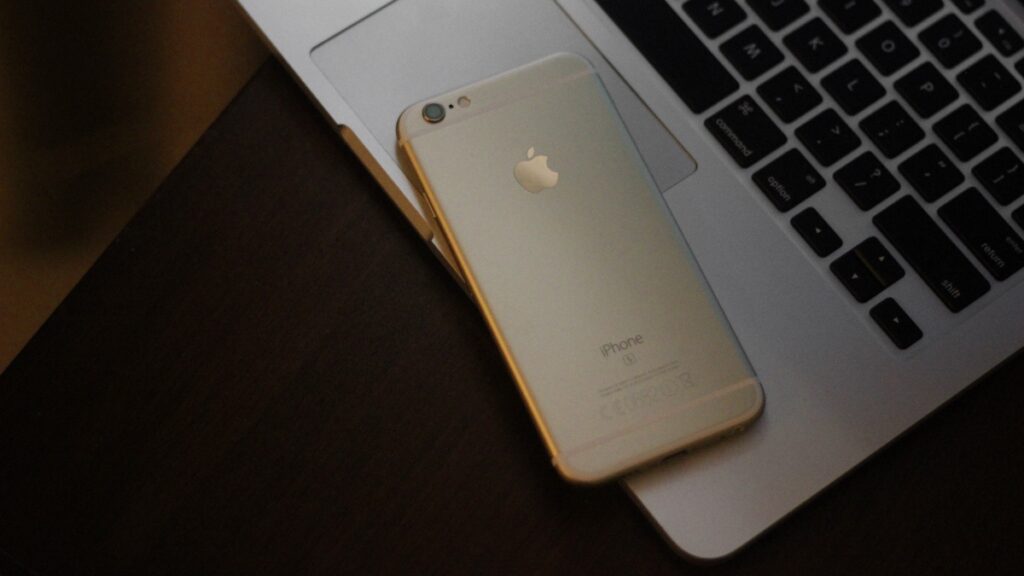

The iPhone 6s was Apple’s most innovative smartphone at the time. However, there was a small hiccup which everyone found out later.
The Chipgate Drama and an iPhone 6s Model that was Powered by a Samsung-manufactured A9 Chip
Launched in September 2015, the iPhone 6s and iPhone 6s Plus were a huge leap forward. Apple introduced 3D Touch, the bending issues were resolved, and the phones were super-fast thanks to the new A9 chip.
However, in order to diversify its supply chain and rely completely on TSMC for manufacturing the A9 chip, Apple tapped into Samsung as a supplier as well.
The interesting thing is, the Samsung made A9 chip was made on the 14nm process while the TSMC one was 16nm. This would make the Samsung chip better, right? Well, not quite.
In benchmarks, the Samsung-made A9 chip got hotter, offered slightly worse battery life, and would thermally throttle, which means the iPhone 6s ran slower in games and apps that were slightly more demanding, compared to the TSMC model.
However, the Samsung-powered iPhone 6s was within Apple’s tolerances since it offered similar real-world performance to the TSMC one. But that slight deviation in performance made the Samsung model less favorable among buyers.
You could even identify whether or not your iPhone 6s had a TSMC chip or a Samsung one. All you had to do was download an app like Lirium and check the model number of your iPhone 6s. If it was N71AP or N66AP, it had a Samsung-manufactured A9 inside it.
The entire drama gave rise to ‘Chipgate’, and some buyers were extremely cautious about which iPhone 6s model they were going to get. But as future iPhone models were released, Apple realized that sticking with one supplier like TSMC was a far better idea.
To this day, Apple solely relies on TSMC for manufacturing its chips, even those inside the Mac. But will Apple give Samsung a shot again? Who knows.
In case you’re wondering, I had an iPhone 6s powered by the TSMC chip. I found out about this later because I got the smartphone on day one.